It Starts Before Most of Edmonton Is Awake
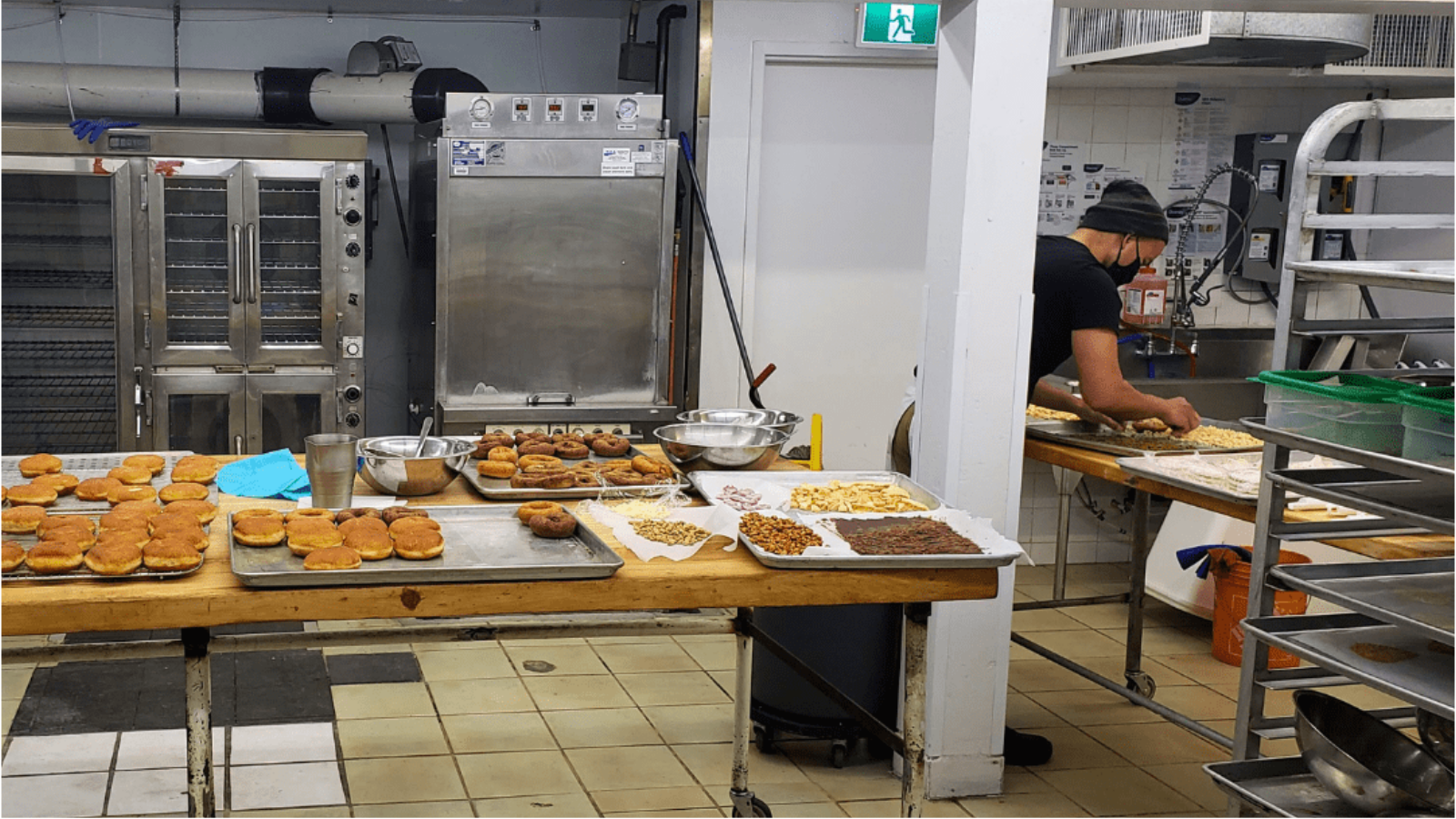
Making fresh donuts daily is not as simple as mixing dough and dropping it in a fryer. It is a multi-stage process that starts in the early morning hours and requires precise timing, careful attention, and the kind of hands-on skill that comes from doing it every single day. Here is what actually goes into producing a fresh batch of gourmet donuts before the shop doors open.
Stage 1: Dough Preparation
Everything begins with the dough. At a scratch-made shop, this means measuring and mixing individual ingredients — flour, sugar, eggs, butter, yeast, milk — rather than adding water to a pre-made bag of mix. The difference this makes in the final product is significant. Scratch-made dough gives the baker full control over texture, moisture, and flavour.
The mixing process itself matters. Over-mixing makes dough tough. Under-mixing leaves it uneven. The goal is a smooth, elastic dough that will proof evenly and produce a light, tender donut. Experienced bakers can judge readiness by feel and sight — the dough should be slightly tacky, pull away from the bowl cleanly, and stretch without tearing.
Stage 2: Proofing
After mixing, the dough needs time to rise. This proofing stage is where yeast does its work, creating the air pockets that give donuts their light, airy texture. Temperature and humidity matter — too warm and the dough over-proofs, becoming slack and flavourless. Too cool and it under-proofs, producing dense, heavy donuts.
At Fuzion Donuts, proofing conditions are monitored carefully. Edmonton's climate means conditions change with the seasons — winter air is drier and cooler, summer air is warmer and more humid — and the kitchen adjusts accordingly. This attention to environment is one of those details that separates consistent quality from hit-or-miss results.
Once proofed, the dough is portioned, shaped, and given a second, shorter proof before frying or baking.
Stage 3: Frying and Baking
Most donuts are fried, and frying temperature is critical. Too hot and the outside cooks before the inside, leaving a doughy centre. Too cool and the donut absorbs too much oil, becoming greasy and heavy. The ideal range is precise, and it needs to be maintained consistently across every batch.
Frying requires attention to timing, colour and texture. Fuzion prepares one batch of donuts for the day in our production kitchen; this is not a promise of repeated batches or fresh production throughout the day.
Gluten-free and vegan donuts follow a different path. These are baked rather than fried, which gives them a distinct texture — slightly denser but still moist and flavourful. The baking process has its own set of timing and temperature requirements that the kitchen manages separately.
GF/vegan shared-facility notice: These donuts are not made in a separate facility. We do our best to avoid cross-contamination, but cannot guarantee they are 100% gluten-free. Not recommended for people with celiac disease. Ask for GF/vegan donuts to be boxed separately from other products; separate packaging does not remove the shared-facility risk. Read our GF/vegan guidance before ordering.
Stage 4: Cooling
Freshly fried donuts need to cool before glazes and toppings can be applied. If glazed too soon, the heat melts the glaze and creates a sticky mess. If left too long, the surface dries out and the glaze does not adhere properly. The cooling window is specific, and timing it correctly ensures a clean, even finish.
Stage 5: Glazing and Finishing
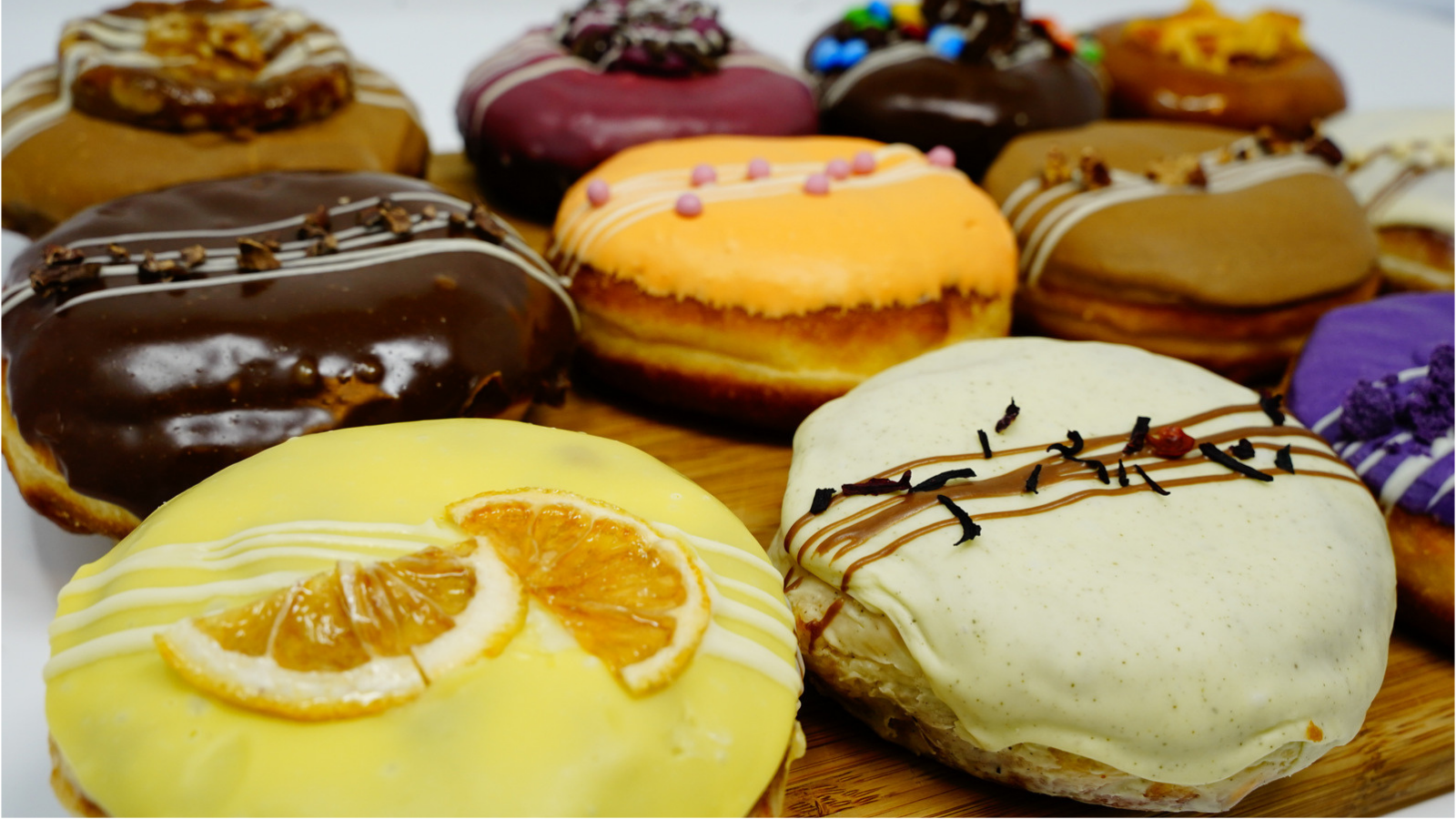
This is where each donut gets its identity. Glazes are mixed fresh — vanilla, chocolate, maple, caramel, and specialty flavours depending on the day's menu. Each donut is dipped or drizzled by hand, with the baker ensuring even coverage and clean edges.
Toppings come next: crushed cookies, caramelized sugar, sprinkles, fruit garnishes, or whatever the flavour calls for. Each topping is placed with intention — the goal is a finished donut that looks as good as it tastes.
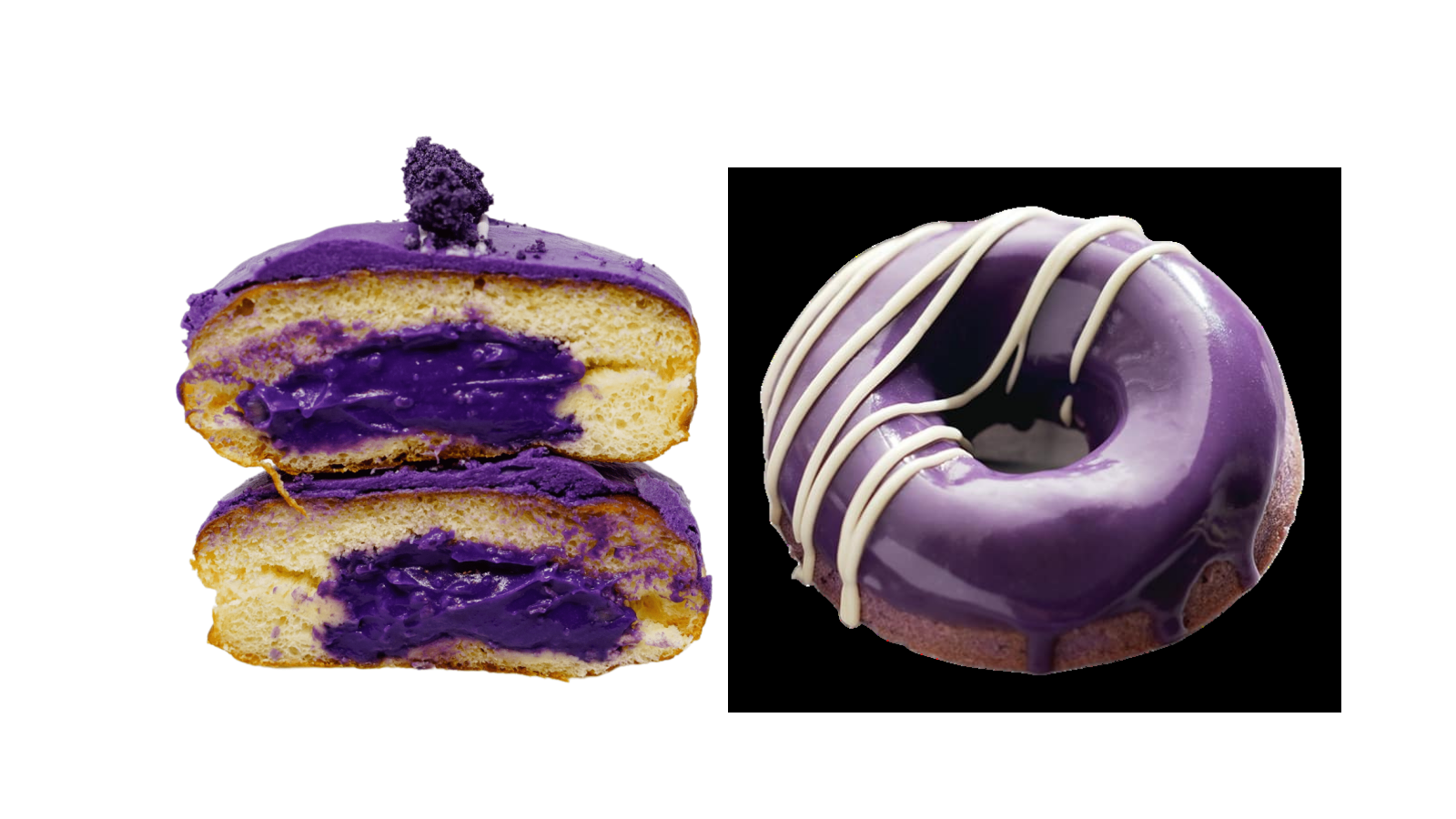
For filled donuts, this stage also includes piping. House-made pastry creams, custards, and fruit fillings are loaded into piping bags and injected into the donut through a small opening. The amount of filling matters — too little and the donut feels empty, too much and it bursts. Practice and experience make the difference.
Stage 6: Quality Check and Display
Before any donut reaches the display case or a customer's box, it goes through a final visual check. Donuts with uneven glazes, misshapen profiles, or other imperfections are pulled. This quality gate exists to ensure that every donut sold meets the shop's standard.
Our donuts are prepared in our production kitchen, with dough, fillings and glazes made from scratch every day. Nothing is frozen or carried over. The finished donuts are supplied to our West End, North Side and South Side stores for display, pre-orders and deliveries. Store menus and daily availability can differ; select your location in the shop to see its current choices.
Why This Process Matters
Every stage of production — from mixing to display — affects the final product. Shops that skip steps, rush stages, or substitute pre-made components for scratch-made ones produce a different donut. Not necessarily a bad donut, but a different one.
The commitment to doing every step properly, every day, is what makes fresh daily donuts taste the way they do. It is more work, it requires more skill, and it accepts more risk. But the result is a donut that tastes noticeably, unmistakably better — and Edmonton customers can tell.